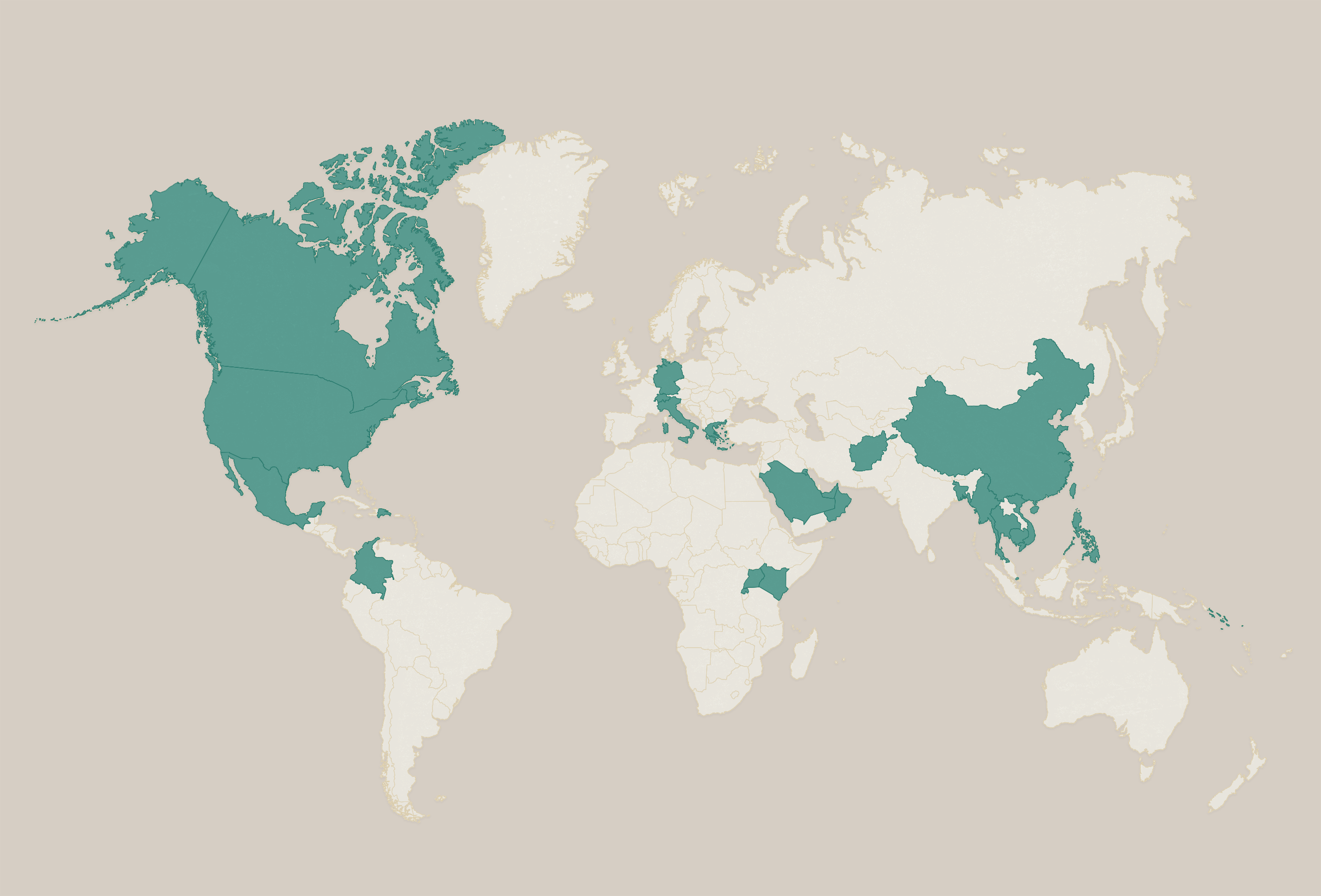
reducing it requires collaboration across a wide spectrum of participants worldwide. These include governments, law enforcement agencies, NGOs, social service providers, healthcare providers, faith-based organizations, foundations, philanthropists, and like-minded funders.
Many of these participants are making big strides in fighting trafficking, but their reach is limited by being notoriously underfunded. Unseen bridges this gap.
Current Partner Portfolio
Hagar USA
Afghanistan | Cambodia | Myanmar | Singapore | Solomon Islands | Thailand | Vietnam
Providing restoration and rehabilitation services for women and children who have suffered human trafficking, slavery, and abuse in the Asia Pacific region—so they can heal and thrive. Through survivor care, prevention efforts, and systemic change, survivors are reintegrating with dignity and resilience into community.
Hong Kong Dignity Institute
China
Providing integrated legal and psychosocial services to victims of human trafficking, forced labour, forced marriage, and forced migration. Through trauma-informed strategic litigation, they work toward enacting policy reform while supporting victims throughout court processes (including prosecution of traffickers) that often span multiple years.
Hope Education Project
Ghana
Helping vulnerable children stay safe from trafficking through engaging, rights-based education in local schools. Their programs build resilience, teach personal and digital safety strategies, show how to report trafficking, and empower youth to become advocates in their communities.
26 COUNTRIES IN 2025*